Explore 45+ low fade haircuts for men in 2026: styles, fade types compared, face-shape tips, and maintenance advice from Brothers Parturi barbers.
Best Low Fade Haircuts for Men in 2026
A low fade haircut is one of themost in-demand hairstyles for men today — and for good reason. It's clean,modern, and works across almost every mens haircut style, from professionallooks to trendy street styles.
Whether you're searching for thebest low fade haircut, comparing taper vs fade, or exploring different fadetypes, this guide covers everything you need for 2026 — from 45+ styles tofade-type comparisons, maintenance, and how to choose the perfect fade haircutfor men.
What Is a Low Fade Haircut?
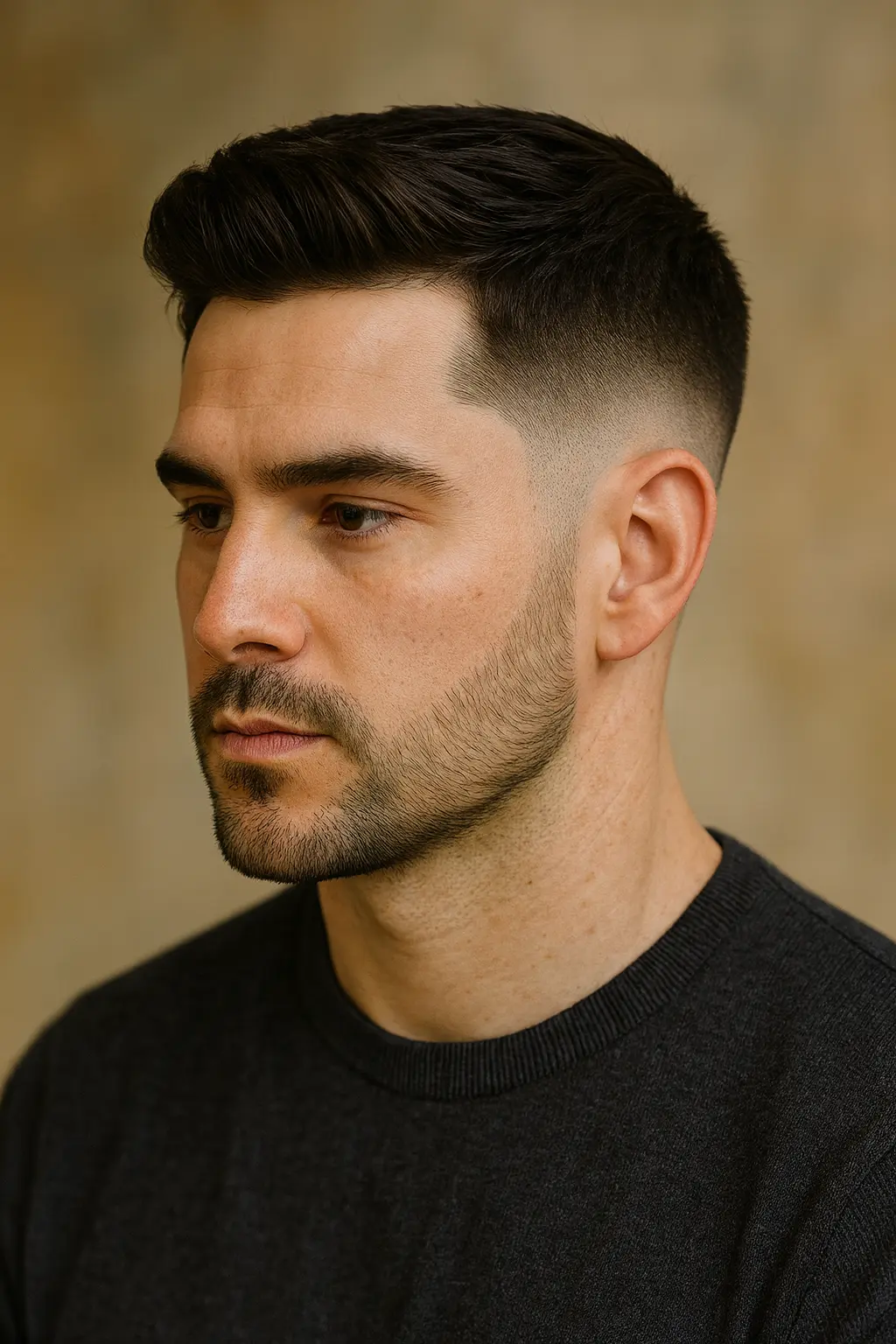
A low fade haircut for men is abarbering technique where the hair gradually transitions from longer on top toshorter on the sides, starting just above the ear and neckline.
Key Features of a Low Fade
● Fade starts low, around 1–2 cm above the ear
● Smooth, gradual transition rather than a sharp line
● Can go down to skin (low skin fade) or stay subtle (lowtaper)
● Works as the base for almost every fade hairstyle formen on this list
This makes the low fade cut oneof the most adaptable fade haircuts for men, suitable for both formal andcasual settings.
Low Fade vs Other Fade Types
One of the most common questionsbarbers hear is taper vs fade — or low fade vs mid fade vs high fade. Here'sthe difference in plain terms, since where the fade starts changes the wholelook of the haircut.
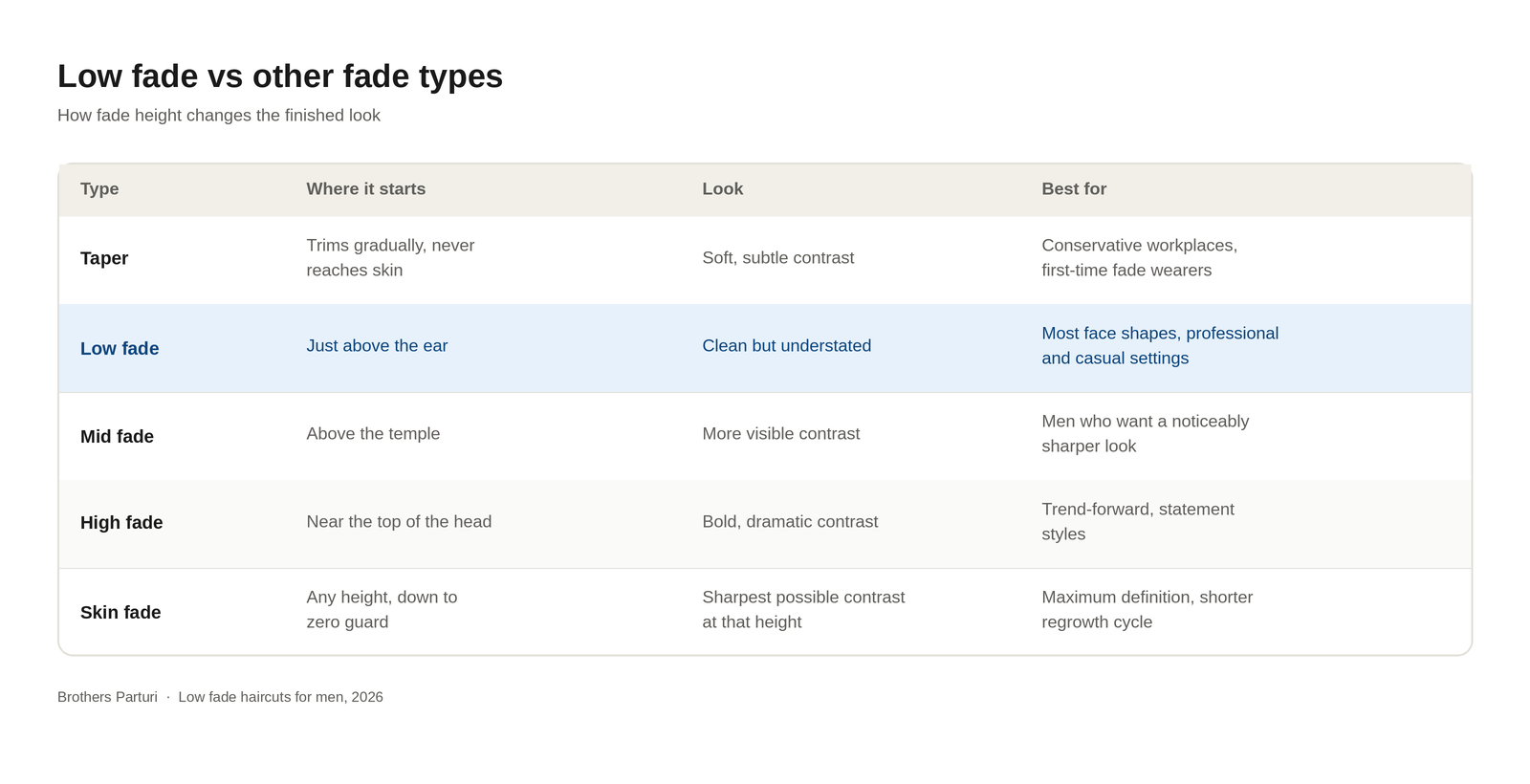
In short: a taper fade vs lowfade comes down to whether the sides reach the skin — a taper blends graduallywithout going bare, while a low fade (and especially a low skin fade) creates asharper line right above the ear. Low fade vs high fade is purely about height:low fades sit closer to the ear for a subtler look, while high fades start muchfurther up for maximum contrast.
Fade Types Explained
A quick glossary of the termsyou'll hear at the barber chair:
● Taper — hair gradually shortens without ever reachingthe skin
● Low Fade — the fade begins just above the ear, the mostversatile and subtle option
● Mid Fade — the fade begins around the temple, for amore visible transition
● High Fade — the fade begins high on the head, formaximum contrast
● Skin Fade — any fade taken down to bare skin (zeroguard) at its shortest point
● Burst Fade — a semicircular fade that curves around theear rather than running straight
● Temple / Temp Fade — a fade focused specifically at thetemples and hairline
Why Low Fade Haircuts Are So Popular
The low fade haircut men trendcontinues to dominate in 2026 because it offers:
Clean & Professional Look
Low Maintenance Compared toHigh Fades
Versatility with DifferentHair Lengths
Suitable for All Face Shapes& Hair Types
If you're looking for a best lowfade option that grows out well and stays neat, this is it.
Trending Low Fade Haircuts for Men — 45 Styles
Here are 45 of the best low fadehaircuts trending in 2026. Each style can be customized based on your hair type,length, and personal preference.
1. Low Fade Taper
The low fade taper combines agradual fade at the bottom with a tapered finish along the neck and sideburns.It is one of the most classic and professional styles available. Best for:office environments, traditional workplaces, or anyone wanting a clean,understated look.
2. Low Drop Fade
The drop fade curves downwardbehind the ear, following the natural hairline rather than going straightacross. This curved shape adds visual interest and works especially well withtextured or curly hair on top.
3. Low Cut Taper Fade
A short overall cut with a taperfade that blends from a very low starting point. It keeps the hair tight allaround while still showing contrast and definition. Great for a minimalist,low-maintenance style — and a strong option if you want a low fade with shorthair specifically.
4. Low Fade Crew Cut
The crew cut is cut short on topwith a slight length at the front. Pair it with a low fade for amilitary-inspired, clean look. This style never goes out of fashion and suitsalmost every face shape.
5. Low Fade Textured Crop
A cropped top with added textureusing a razor or scissors, sitting on top of a low fade. The textured crop addsmovement and dimension. It works especially well with thick, straight, orslightly wavy hair.
6. Low Fade Long on Top
This style keeps significantlength on top — typically 4 inches or more — while the sides fade down to skinor very short. The contrast between the long top and the clean sides makes thisa standout style.
7. Low Fade V Cut
The V cut features a sharpV-shaped hairline at the nape of the neck, created by the barber. Combined witha low fade, it adds a distinctive edge to an otherwise clean cut.
8. Low Fade Messy Fringe
A casual, slightly tousledfringe falling over the forehead, paired with a neat low fade. The contrastbetween the messy top and clean sides creates a cool, effortless look popularwith younger men.
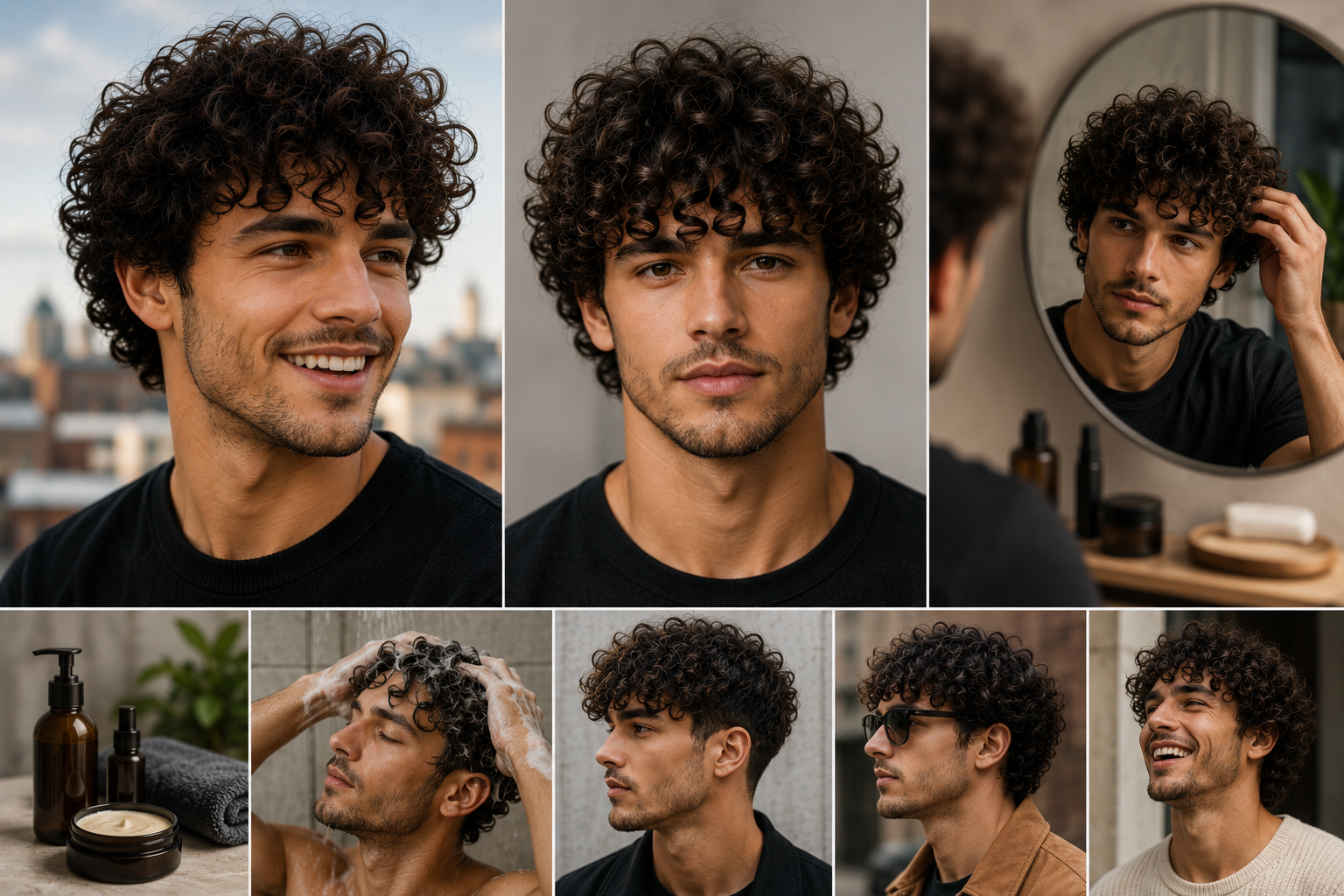
9. Low Fade Curly Top
Let your natural curls shine ontop while the sides are kept tight with a low fade. This is an excellent optionfor men with type 3 or type 4 curly hair who want to embrace their naturaltexture.
10. Low Fade Man Bun
Grow the top long enough to pullinto a bun at the crown, while the sides get a clean low fade. The contrastbetween the tied-up top and faded sides is stylish and practical for everydaywear.
11. Low Fade Two Block
The two block haircut —originating from South Korea — features long, flowing hair on top with adisconnected, faded undercut on the sides. The low fade version creates asofter transition.
12. Low Fade Comma Hair
Comma hair is a Korean-inspiredtrend featuring a curved fringe that swoops to one side, resembling a commashape. Combined with a low fade, it creates a youthful, trendy look with cleansides.
13. Low Fade Faux Hawk
A faux hawk mimics the mohawk bystyling the central strip of hair upward, while the sides are faded rather thanshaved. The low fade version is wearable and professional enough for mostsettings.
14. Low Burst Fade
The burst fade creates asemicircular fade around the ear, radiating outward like a burst. Paired with alow fade baseline, it gives a rounded, bold look that works well with naturalor afro hair.
15. Low Fade Buzz Cut
A classic buzz cut on topcombined with a low fade on the sides. It keeps the overall length short anduniform, while the fade adds definition. One of the easiest low fade short hairstyles to maintain.
16. Low Fade Skin
A low skin fade takes the sidesall the way down to the skin (zero guard), creating maximum contrast with thetop. This style requires regular touch-ups every 1–2 weeks to keep lookingsharp.
17. Low Fade with Curly Hair
Men with natural curls can pairthem with a low fade for a polished result. The fade helps define the shapewhile still allowing curls to be the focal point. Use a curl cream to defineand control.
18. Low Fade Cut
The standard low fade cut refersto any haircut that uses the low fade technique as the foundation. It's a termthat covers the entire category rather than one specific style.
19. Low Fade Mullet
The modern mullet has made amajor comeback. A low fade on the sides keeps it clean, while the back growslonger. This bold style balances retro charm with contemporary styling.
20. Low Fade for Black Hair
The low fade is particularlypopular in Black barbering culture, often paired with waves, twists, afros, orcornrows. A skilled barber can enhance natural hair texture with precision fadework.
21. Low Fade Undercut
The undercut disconnects the tophair from the sides, and a low fade blends the sides into the skin. Thiscreates a dramatic, edgy look with a clean separation between the sections.
22. Low Fade with Long Hair
Even men with longer hair — shoulderlength or beyond — can benefit from a low fade. It cleans up the sides whileleaving the top and length intact. A great option for those growing their hairout.
23. Low Fade with Fringe
A fringe (or bangs) cut acrossthe forehead, sitting on a low fade base. The fringe can be blunt, textured, orswept to one side. Works best with straight or slightly wavy hair.
24. Low Fade with Short Hair
Short overall length with a lowfade for definition. This is a practical everyday choice that looks neatwithout requiring much styling effort or product — one of the most searched-forlow fade short hair combinations.
25. Low Temp Fade
The temp fade, or temple fade,focuses the fade specifically around the temples and hairline. It sharpens thehairline while keeping a natural or rounded profile above the ear.
26. Low Fade with Beard
Pairing a low fade with a fullor shaped beard creates a seamless blend from the scalp to the facial hair. Askyour barber to blend the fade into your beard line for a cohesive, polishedlook.
27. Low Fade Fluffy Hair
Fluffy hair refers tovoluminous, softly styled hair on top — think blow-dried, rounded shapes. A lowfade grounds the look and prevents it from feeling too heavy or unstructured.
28. Low Fade Comb Over
The comb over sweeps the hairfrom one side to the other, creating a sleek, gentleman's look. Combined with alow fade, it's a refined, office-ready style that never goes out of style.
29. Low Fade Straight Hair
Men with straight hair oftenfind that a low fade provides exactly the contrast needed to make the top hairlook intentional and styled. Works well with any length on top.
30. Low Fade French Crop
A French crop features a short,textured top with a horizontal fringe cut straight across. The low fade cleansup the sides and makes the crop look precise and intentional.
31. Low Fade with Design
Add a shaved design, line, orgeometric pattern to your low fade for a custom, expressive look. Populardesigns include lightning bolts, waves, zigzags, and tribal patterns.
32. Low Fade Military Haircut
The military cut — includingstyles like the high and tight or regulation cut — can be softened with a lowfade starting point. It maintains the disciplined aesthetic while feelingslightly more modern.
33. Low Fade Slick Back
Comb the top hair straight backand smooth it down with pomade or a strong hold product, sitting on top of alow fade. This classic, polished style suits formal and professional settings.
34. Low Fade Blowout
The blowout style featuresvoluminous, brushed-back hair achieved through blow-drying. Combined with a lowfade, it creates a dramatic, full-bodied look inspired by retro barbershopstyles.
35. Low Fade Textured Fringe
A textured fringe uses pointcutting or a razor to create movement and softness in the fringe. Paired with alow fade, it balances texture on top with clean precision on the sides.
36. Low Fade with Mohawk
A defined central strip of hairstanding up through the middle of the head, with a low fade on both sides. Lessextreme than a traditional shaved mohawk, making it more wearable day-to-day.
37. Low Fade Afro
A natural afro with a low fadecreates a clean, rounded shape that lets the afro be the star. The fade definesthe base and edges while the natural texture takes center stage.
38. Low Fade Middle Part
Hair parted down the center witha low fade on the sides. The middle part creates a symmetrical, balanced lookand works well with straight, wavy, or slightly curly hair.
39. Low Fade Side Part
A classic side part combinedwith a low fade gives a structured, polished appearance. It's one of the mostversatile and timeless men's hairstyles in barbering.
40. Low Fade Wavy Hair
Natural waves on top paired witha low fade create a balanced, beachy look. Use a sea salt spray or wave creamto define and enhance the waves without stiffness.
41. Low Fade Quiff
The quiff sweeps the hair upwardand slightly back at the front, creating a voluminous, retro-inspired frontsection. Paired with a low fade, it's modern, bold, and confident.
42. Low Fade Pompadour
The pompadour features a full,swept-back top section with significant volume. The low fade on the sides keepsthe overall shape clean and prevents the style from looking too heavy.
43. Low Fade Blonde Hair
Blonde or lighter hair colorscreate a natural contrast with low fades, as the skin shows through moreclearly. This makes the fade look even more defined, which is why many men withlighter hair prefer a low fade.
44. Low Fade Edgar
The Edgar cut features a blunt,horizontal line across the top of the forehead, creating a hard, sharp fringe.Combined with a low fade, it's a bold, statement style with strongLatin-American barbering roots.
45. Low Fade Crop Top
The crop top is a short,textured style where the hair sits flat and is cut close to the scalp. Pairedwith a low fade, it creates a clean, effortless look that's easy to maintainand style.
How to Choose the Best Low Fade Haircut
Choosing the right low fadehaircut men style depends on your face shape and hair type.
1. By Face Shape
● Round Face — add height on top (quiff, pompadour) toelongate the face
● Square Face — go for textured styles that soften astrong jawline
● Oval Face — most styles work; a low fade for oval faceis one of the most flattering pairings on this list, since almost any toplength balances well against it
● Long Face — keep volume balanced and avoid excessheight on top
2. By Hair Type
● Straight Hair — works with all styles
● Wavy Hair — great for textured looks
● Curly Hair — best with volume-focused styles like thecurly top or afro
● Thick Hair — go for structured cuts like the taper orcrew cut
● Fine Hair — choose fluffy or layered styles to add theappearance of density
How to Ask Your Barber for a Low Fade
For the perfect haircut lowfade, be specific:
Say something like:
● "I want a low fade haircut starting just above theear"
● "Fade down to skin / 1 / 2 guard"
● "Keep the top medium/long/textured"
Pro Tip
Always bring a reference image.It avoids confusion and ensures you get the exact low fade cut you want.
Common Mistakes to Avoid
● Saying "just a fade" (too vague — specifylow, mid, or high)
● Not specifying low fade vs mid fade vs high fade
● Ignoring the top style and only discussing the sides
● Not considering your face shape before choosing a style
How to Maintain a Low Fade Haircut
Keeping your low fade haircutsfresh requires proper care:
Maintenance Tips
● Visit your barber every 2–4 weeks
● Use moisturizing shampoo & conditioner
● Apply light styling products
● Keep the scalp hydrated
● Trim the neckline between visits (optional)
How to Style a Low Fade Haircut
Step-by-Step Styling
● Start with clean, slightly damp hair
● Apply product (clay, pomade, or paste)
● Style using fingers or a comb
● Use a blow dryer for volume (optional)
Best Products
● Matte Clay — natural finish
● Pomade — sleek, shiny look
● Sea Salt Spray — texture & volume
● Curl Cream — for curly hair
Quick Answers
What is a low fade haircut?
A low fade haircut is a stylewhere hair gradually fades from longer on top to shorter sides, starting justabove the ear.
Is low fade better than highfade?
It depends on the look you want.A low fade is more subtle and professional, while a high fade is more dramaticand trend-forward — neither is objectively better, they suit differentsettings.
What is taper vs fade?
A taper trims gradually withoutgoing to skin, while a fade blends down to skin level for sharper contrast.
Is low fade good for all hairtypes?
Yes — it works with straight,wavy, curly, and coily hair.
FAQ — Low Fade Haircuts
What is the best low fadehaircut for men?
The best low fade haircutdepends on your style, but the side part, textured crop, and pompadour areconsistently top choices.
How long does a low fadelast?
A low fade haircut typicallylooks sharp for 2–3 weeks in 2026's styling trends before needing a touch-up.
Are low fade haircuts highmaintenance?
No — they're lower maintenancethan high fades and grow out more naturally, since there's less contrast tomaintain as hair grows.
Can I get a low fade withshort hair?
Yes. Low fade short hair styles,like the buzz cut or cut taper fade, are among the most popular and practicaloptions.
What is the differencebetween taper fade and low fade?
A taper fade blends graduallybut doesn't fully reach the skin, while a low fade creates a sharper contraststarting just above the ear.
What's the difference betweena low fade, mid fade, and high fade?
The difference is purely wherethe fade begins: a low fade starts just above the ear, a mid fade starts aroundthe temple, and a high fade starts near the top of the head — each step upcreates more contrast.
Is a low fade good for anoval face?
Yes — an oval face is the mostflexible face shape, and a low fade pairs well with almost any top length orstyle, from a textured crop to a pompadour.
What is a burst fade?
A burst fade curves around theear in a semicircle rather than running in a straight line, giving a roundedfade shape that works especially well with natural or afro hair.
Should I choose a low fade ora skin fade?
A low fade can be tapered ortaken to skin — a low skin fade specifically means the sides are shaved down tozero guard for maximum contrast, while a soft low fade stays subtle.
Why Choose Brothers Parturi for Your Fade Haircut
At Brothers Parturi, wespecialize in modern fade haircut for men styles tailored to your personalityand lifestyle.
What You Get
● Expert barbers with precision fade skills
● Personalized low fade hairstyle recommendations
● Clean, sharp, and long-lasting results
● Styles that are easy to maintain
Book Your Appointment
Conclusion
The low fade haircut remains oneof the best mens haircuts in 2026 because it combines style, flexibility, and practicality. Whether you want a classic low fade haircut, a trendy texturedlook, or a bold modern style, this haircut adapts to you.
Note: This guide is written bythe professional barbers at Brothers Parturi, based on real client experience,current trends, and modern men's grooming practices.