What does a mullet mean? Discover the meaning of the mullet haircut, its symbolism, cultural associations and what wearing one says about personal style.
What Does a Mullet Mean? Haircut Meaning and Symbolism
A mullet represents individuality, rebellion and self-expression. As a hairstyle, it is known for its short front and sides with longer hair at the back. Its distinctive shape has become associated with confidence, unconventional fashion and a mix of retro and modern style.
The meaning of a mullet goes beyond its appearance. It has been connected to different fashion movements and personal identities over time. Today, wearing a mullet can be a way to express creativity, confidence and a preference for standing out.
What Does a Mullet Mean?
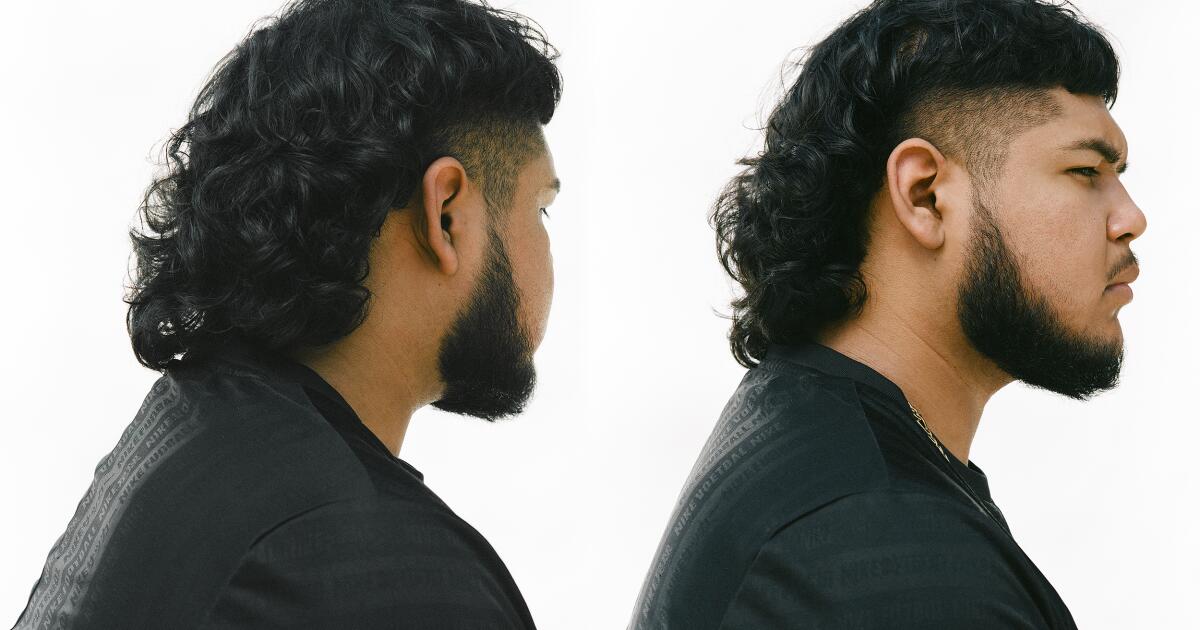
A mullet is a hairstyle that is short at the front and sides and longer at the back. The haircut is often associated with individuality, rebellion and a willingness to challenge traditional fashion choices.
The term mullet meaning can refer to both the haircut's definition and its cultural symbolism. In hairstyle terms, it describes a distinctive cut. In fashion and personal expression, it can represent a bold, unconventional attitude.
What Does a Mullet Represent?
A mullet represents several ideas, although its meaning can differ depending on the person wearing it and the cultural context.
- Individuality: Shows a preference for a distinctive look rather than following conventional hairstyles.
- Rebellion: Has historically been associated with challenging traditional fashion and grooming standards.
- Confidence: Its noticeable shape can make it a statement haircut.
- Creativity: Modern variations allow people to experiment with texture, length and fades.
- Retro influence: Connects contemporary fashion with earlier hairstyle trends.
The mullet does not have one fixed meaning. For some people, it is simply a haircut they enjoy. For others, it represents a particular fashion identity or attitude.
Explore different contemporary looks in Modern Mullet Haircut Styles for Men 2026.
What Does Wearing a Mullet Say About a Man?
Wearing a mullet can suggest that a man enjoys experimenting with his appearance and is comfortable choosing a hairstyle that stands out.
Depending on the variation, it may communicate:
- A bold approach to personal style.
- An interest in retro fashion.
- Confidence in wearing unconventional hairstyles.
- A preference for creative and individual grooming choices.
- An interest in combining classic and contemporary trends.
However, a haircut does not define someone's personality. A man might choose a mullet simply because he likes its shape, texture or overall appearance.
How Has the Meaning of the Mullet Changed?
The cultural meaning of the mullet has changed over time. Once associated with unconventional fashion, it has also become a recognizable retro-inspired hairstyle in contemporary grooming.
1. The Classic Mullet
The classic mullet became associated with bold and unconventional personal style. Its strong contrast between short sides and a longer back made it visually distinctive.
2. The Transition Period
As fashion trends changed, the mullet became less mainstream in many settings. It continued to be recognized as a retro hairstyle and retained its association with individual expression.
3. The Modern Mullet
Modern versions use fades, tapers, layers and textured finishes. These adjustments give the haircut a more customized appearance while keeping its recognizable shape.
The modern mullet can be subtle or bold depending on the length, texture and finish. Learn more about its variations in What Is a Modern Mullet Haircut Called?.
Why Do People Choose a Mullet Today?
People choose mullets for different reasons, from personal expression to their distinctive appearance.
Expression of Personality
A mullet offers an alternative to conventional short hairstyles. Its unusual shape can help someone create a recognizable personal look.
Retro-Inspired Fashion
The haircut brings an older style into contemporary grooming. Some people prefer the classic appearance, while others choose modern versions with fades and textured layers.
Versatility
Modern mullets can be adapted to different hair types, lengths and preferences. A subtle mullet offers a softer appearance, while a burst fade or textured mullet creates more contrast.
Individual Style
Not everyone wants the same haircut. A mullet gives people an opportunity to experiment with their appearance and choose a style that reflects their preferences.
If you are deciding which variation to get, read Which Mullet Cut Is Best?.
Mullet vs Other Hairstyles: What Is the Difference in Style?
A mullet has a distinctive silhouette because the back remains longer than the sides and front. Other hairstyles can create a different overall appearance.
- Mullet: Keeps noticeable length at the back, with shorter hair at the front and sides.
- Fade: Gradually blends the hair from short to longer lengths, usually around the sides and back.
- Taper: Gradually shortens the hair around the sideburns and neckline while keeping more length elsewhere.
A mullet can also include a fade or taper. These techniques change the finish without removing the defining longer back.
Compare the styles in Which Is Better, Mullet or Fade? and Which Is Better, Taper or Mullet?.
Who Should Get a Mullet?
A mullet can suit people who enjoy distinctive hairstyles and want more character in their haircut.
Consider a mullet if you:
- Like bold or unconventional hairstyles.
- Prefer retro-inspired fashion.
- Want to experiment with different lengths and textures.
- Enjoy a haircut that can be customized.
- Feel comfortable with a hairstyle that attracts attention.
The right variation depends on your face shape, hair type and preferred level of contrast. You can explore recommendations in Which Face Shape Suits a Mullet?.
FAQs About Mullet Meaning
Why is the mullet considered iconic?
The mullet is considered iconic because of its distinctive shape and long-standing association with different fashion trends. Its short front and sides combined with a longer back make it instantly recognizable.
Does a mullet symbolize rebellion?
Yes. The mullet has been associated with rebellion because it challenges conventional grooming standards and has been adopted as a statement hairstyle.
What does wearing a mullet say about a man?
It can suggest individuality, confidence and an interest in unconventional fashion. However, the hairstyle does not necessarily reflect someone's personality.
What does a modern mullet represent?
A modern mullet can represent creativity, personal style and a combination of retro influence with contemporary grooming.
Is a mullet still trendy in 2026?
The mullet continues to appear in modern men's hairstyling, particularly in variations featuring fades, tapers, curls and textured layers.
Is a mullet considered professional?
It depends on the workplace and the haircut. A subtle, neatly styled mullet may suit some professional environments, while a more dramatic version can create a casual or unconventional appearance.
What is the difference between a mullet and a modern mullet?
A classic mullet usually has a stronger contrast between the short front and sides and the longer back. A modern mullet often uses softer transitions, fades, tapers and textured layers for a more customized finish.
Does a mullet have more than one meaning?
Yes. The word can refer to the hairstyle, its cultural associations or other meanings depending on the context. When discussing hair, mullet generally refers to the short-front, long-back haircut.
This article is written by professional barbers at Brothers Barber, sharing insights into men's hairstyles, grooming and modern haircut trends.