Explore 33 modern mullet haircut styles for men in 2027, including burst fades, V-shaped mullets, curly styles and low tapers. Find your look.
Modern Mullet Haircut Styles for Men in 2027: 33 Trending Looks
The modern mullet is one of the most distinctive men's hairstyles in 2026. It combines shorter or faded sides, a textured top and longer hair at the back. From subtle low-taper mullets to bold burst fades and V-shaped backs, there are many ways to customise this classic haircut.
Whether you want a clean, professional look or a more expressive style, this guide covers 33 modern mullet haircut styles for men, how to choose the right variation and how to maintain it.
Are Mullets Still in Style in 2026?
Yes. Mullets are still in style in 2026, particularly modern variations that combine the traditional longer back with cleaner sides, textured layers and contemporary fades.
The modern mullet is different from the traditional 1980s version. Instead of relying on a strong contrast between the front and back, today's styles often use blended transitions, natural movement and customised lengths.
Popular options include the modern mullet, burst fade mullet, low taper mullet, curly mullet and V-shaped mullet. Each creates a different appearance, so you can choose how subtle or bold you want your haircut to be.
Types of Mullet Haircuts at a Glance
Modern mullet haircuts can be grouped according to their fade, length, texture and overall shape.
33 Best Modern Mullet Haircut Styles for Men in 2026
Here are 33 mullet haircut ideas, from popular modern variations to more distinctive styles.
1. Modern Mullet
The modern mullet is a refined version of the classic haircut. It features shorter sides, a textured top and longer hair at the back, with a natural transition between each section.
It is a versatile choice for men who want a noticeable hairstyle without making the contrast too extreme. The length and texture can be adjusted to suit different hair types and personal preferences.
2. Wolf Cut Mullet
The wolf cut mullet combines the layered appearance of a shag haircut with the longer back of a mullet. It creates volume around the crown, textured layers and a relaxed finish.
This style works particularly well with medium to thick hair. It is a good option if you prefer a fuller, messier appearance rather than a sharply defined fade.
3. Burst Fade Mullet
The burst fade mullet features a fade that curves around the ears while leaving length at the back. The curved blending creates a rounded effect on the sides and makes the longer back stand out.
It is one of the most recognisable modern mullet styles. You can pair it with straight, wavy or curly hair, depending on the finish you want.
4. Mullet Fade
A mullet fade combines the longer back of a mullet with faded sides. The fade can be low, mid or high, depending on how much contrast you prefer.
A low fade creates a more understated appearance, while a high fade gives the haircut a sharper and bolder finish. This is a good choice for men who want a modern mullet with clean sides.
5. Curtain Mullet
The curtain mullet features a middle-parted or curtain-style fringe at the front, with longer hair at the back. The front frames the face while the back keeps the recognisable mullet shape.
Inspired by Korean and contemporary fashion trends, this style works well with straight or slightly wavy hair.
6. Low Taper Mullet
The low taper mullet keeps the sides and neckline neat without removing too much length. The taper gradually shortens the hair around the temples and neck while preserving the longer back.
It is a suitable option if you want to try a mullet without choosing a dramatic fade. The result is relatively subtle and can work in both casual and professional settings.
7. Korean Mullet
The Korean mullet focuses on soft layers, natural volume and movement. It often features a longer fringe, a lightweight top and a back section that blends smoothly into the overall shape.
Unlike some high-contrast mullets, this variation usually prioritises flow over sharp fading. It is particularly suitable for straight and slightly wavy hair.
8. Skin Fade Mullet
The skin fade mullet creates strong contrast by blending the sides down to bare skin while keeping the back longer. The result is a sharp, defined haircut with a noticeable difference between the sides and back.
This variation suits men who prefer bold hairstyles. It needs frequent barber visits to keep the fade looking clean.
9. Textured Fringe Mullet
The textured fringe mullet combines a choppy or layered fringe with a longer back. The uneven texture adds movement and gives the front a relaxed appearance.
It works particularly well with thick hair because the layers help reduce bulk and create definition. A small amount of matte styling product can help maintain the texture.
10. Side Part Mullet
The side part mullet combines a traditional side-parted top with the longer back of a mullet. It offers a more structured appearance than messy or heavily layered variations.
This is a practical option for men who prefer a classic front section but still want something different at the back.
11. Edgar Mullet
The Edgar mullet combines the blunt, defined fringe of an Edgar haircut with the longer back of a mullet. The front is usually cut sharply, while the back maintains the mullet silhouette.
It creates a strong, youthful appearance and works best when the fringe and back are shaped to complement each other.
12. Flow Mullet
The flow mullet focuses on natural movement from the front and sides towards the back. It generally uses longer layers instead of a sharply defined fade.
This style is suitable for men who prefer a relaxed appearance and have enough length to create a flowing shape.
13. V-Shaped Mullet
The V-shaped mullet features a back section cut into a distinct V shape at the nape. Instead of ending in a straight line, the hair forms a point that adds definition to the back of the haircut.
A modern mullet with a V-shaped back can be combined with a taper, fade or textured top. It is a popular choice for men who want a more distinctive finish.
14. Messy Modern Mullet
The messy modern mullet uses uneven layers and natural texture to create a relaxed finish. The top is usually left textured, while the back maintains the longer mullet shape.
It is ideal if you do not want a perfectly polished haircut. A little styling clay or texturising spray can help bring out the layers.
15. Pompadour Mullet
The pompadour mullet combines a voluminous front with a longer back. The hair at the front is lifted and styled upwards or backwards, creating a noticeable contrast with the mullet shape.
This variation requires more styling than a simple textured mullet. It works best for men who enjoy creating height and structure in their hairstyle.
16. Quiff Mullet
The quiff mullet features a lifted front section with shorter sides and longer hair at the back. It combines the familiar shape of a quiff with the distinctive silhouette of a mullet.
It is a good option if you want volume at the front without choosing a full pompadour. A blow-dryer and light-hold styling product can help create the shape.
17. Short Mullet
The short mullet keeps the back relatively short while retaining the longer shape that defines a mullet. The sides can be tapered or faded to create a cleaner appearance.
It is a practical starting point if you want to try the trend without growing your hair very long.
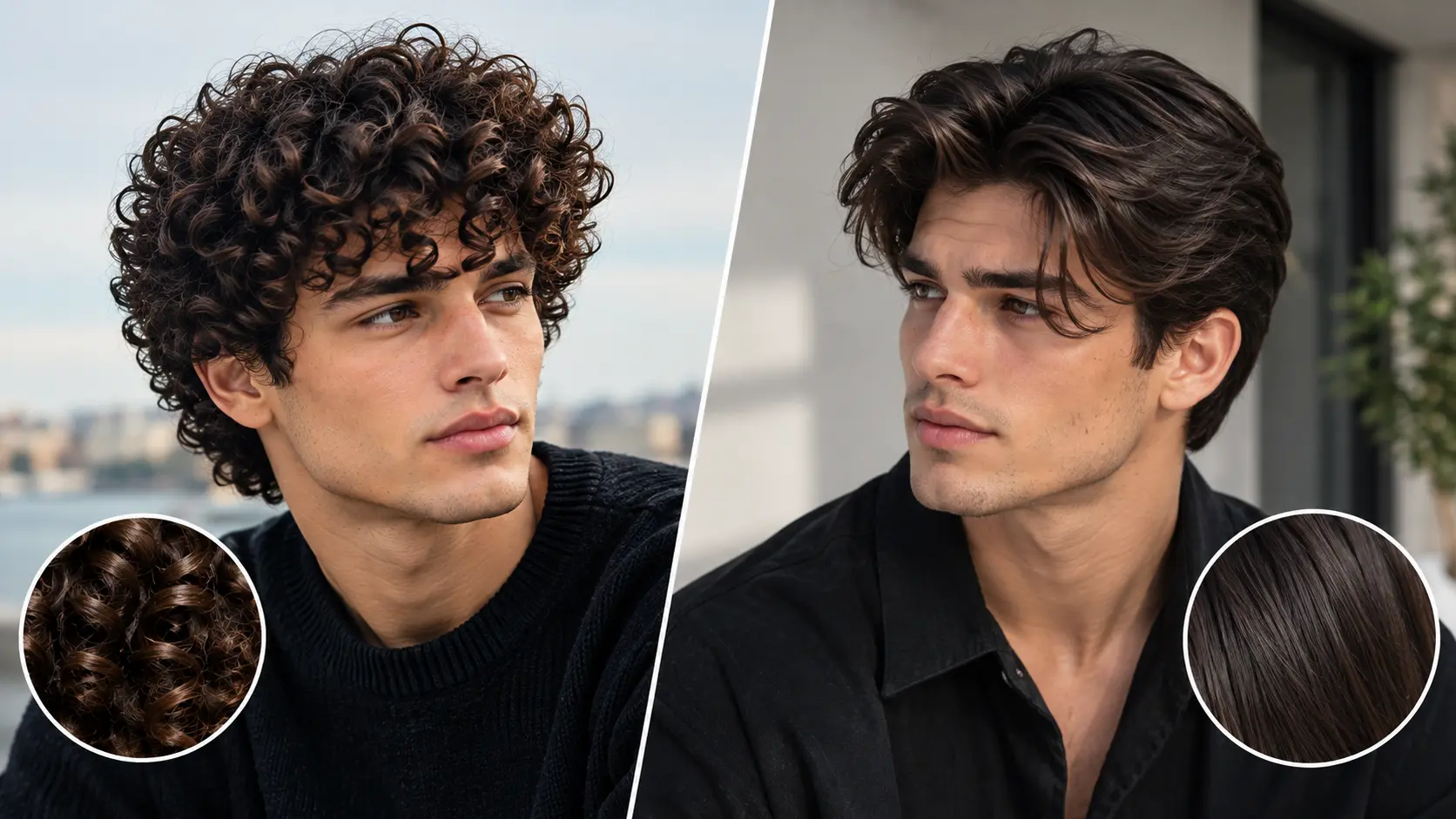
18. Curly Mullet
The curly mullet uses natural curls to create volume and texture at the top and back. The sides can be tapered or faded to give the haircut more structure.
This variation is especially useful for men who want to work with their natural curl pattern instead of trying to make their hair look straight.
19. Taper Fade Mullet
The taper fade mullet combines the longer back with a gradual taper around the sides and neckline. It creates a neat outline while leaving more natural length than a high-contrast fade.
It is a versatile choice for men who want a clean finish without making the sides look extremely short.
20. Long Mullet
The long mullet keeps substantial length at the back, creating a more dramatic silhouette. The top and sides can be layered or tapered to make the longer section look balanced.
This style requires patience while growing the hair and regular shaping to prevent the back from looking untidy.
21. Mohawk Mullet
The mohawk mullet combines a central strip of longer hair with shorter sides and a longer back. It creates a bold silhouette that brings together two distinctive haircut styles.
It is best suited to men who want a statement hairstyle rather than a subtle everyday cut.
22. Wavy Mullet
The wavy mullet uses natural waves to create movement and softness. Layers help the hair fall naturally, while the longer back maintains the mullet shape.
It is a good option for men who want a textured haircut without relying on a lot of styling products.
23. Shaggy Mullet
The shaggy mullet features multiple layers, a textured top and a deliberately relaxed finish. It has a fuller appearance than many faded mullets.
This variation works well with medium-length hair and can be adapted to straight, wavy or slightly curly textures.
24. Permed Mullet
The permed mullet adds curls or waves to hair that is naturally straight. The extra texture gives the top and back more volume and creates a distinctive shape.
The final appearance depends on the curl size, hair length and how the sides are cut. A professional consultation can help determine whether a perm is suitable for your hair.
25. Straight Hair Mullet
The straight hair mullet uses clean lines and controlled layering to create the classic mullet shape. The top can be textured or kept relatively smooth, while the back remains longer.
Because straight hair can show the haircut's outline clearly, the blending and layering are important for achieving a balanced finish.
26. French Crop Mullet
The French crop mullet combines a short, forward fringe with a longer back. The front is usually kept neat and textured, while the rear section creates the mullet silhouette.
It is a distinctive combination for men who like short fringes but want more length at the back.
27. Two Block Mullet
The two block mullet combines the contrasting top and sides of a two-block haircut with a longer back. The top remains fuller, while the sides are cut shorter to create separation.
Inspired by Korean hairstyles, it works particularly well with straight or slightly wavy hair.
28. Undercut Mullet
The undercut mullet features very short or disconnected sides with longer hair on top and at the back. The strong contrast makes the shape more noticeable.
It is a bold variation that requires regular upkeep to maintain the separation between the longer and shorter sections.
29. Fluffy Mullet
The fluffy mullet focuses on volume, softness and movement. The top and back are layered to create a fuller appearance rather than a sharply defined shape.
It works particularly well with hair that naturally holds volume. Lightweight styling products can help maintain the texture without weighing it down.
30. Faux Hawk Mullet
The faux hawk mullet combines a raised central section with shorter sides and a longer back. It borrows the shape of a mohawk but usually has a softer and less extreme finish.
It is suitable for men who want an edgy hairstyle without committing to a traditional mohawk.
31. Layered Mullet
The layered mullet uses different hair lengths to create movement, texture and dimension. Layers can be added around the crown, sides and back to make the overall shape more balanced.
It is a flexible option for medium and long hair, and the layering can be adjusted to suit different textures.
32. Punk Mullet
The punk mullet is an expressive variation that often features choppy layers, strong contrasts and a deliberately unconventional finish. Some versions also include vivid hair colours or sharply defined sections.
It is best for men who want their haircut to make a statement.
33. Modern Mullet with Beard
Pairing a modern mullet with a beard creates a distinctive combination of longer hair at the back and facial hair around the jawline. The sides can be faded or tapered to connect the haircut with the beard.
The beard length and haircut should be balanced to avoid making either feature look disconnected.
How to Choose the Best Mullet Haircut
The best mullet depends on your face shape, hair type, preferred length and how much time you want to spend styling it.
Choose a Mullet for Your Face Shape
Different mullet variations can change how your face looks by adding volume, reducing width or creating more length.
Choose a Mullet for Your Hair Type
These are starting points rather than strict rules. Your hairline, proportions and preferred finish also matter.
For a more detailed explanation, read our article on which face type suits a mullet.
Choose a Mullet for Your Hair Type
A barber can adjust the layers and length to work with your natural hair texture.
Choose a Mullet Based on Your Lifestyle
Your daily routine should also influence your choice.
- For a subtle look: Try a short mullet or low taper mullet.
- For a clean finish: Consider a mullet fade or taper fade mullet.
- For a bold appearance: Choose a burst fade, skin fade or mohawk mullet.
- For natural texture: Consider a curly, wavy or shaggy mullet.
- For longer hair: Try a flow mullet or layered long mullet.
How to Ask Your Barber for a Modern Mullet
A clear description helps your barber understand the mullet you want. Instead of simply asking for a mullet, explain the details of the haircut.
Discuss these points:
- Back length: Explain how long you want the hair at the back and whether you prefer a straight, rounded or V-shaped finish.
- Sides: Decide whether you want a taper, low fade, burst fade, skin fade or longer sides.
- Top: Explain whether you prefer a textured, layered, fluffy or neatly styled top.
- Fringe: Tell your barber if you want a curtain fringe, textured fringe, quiff or shorter front.
- Overall contrast: Show whether you prefer a subtle transition or a more dramatic difference between the sides and back.
Bring a reference photo whenever possible. It makes it easier to communicate the exact shape and length you have in mind.
How to Style a Modern Mullet
The right styling routine depends on your hair type and the variation you choose.
- Sea salt spray: Adds texture and a natural, slightly messy finish.
- Matte styling clay: Helps define layers without creating too much shine.
- Texturising powder: Adds volume and lift to the top.
- Hair diffuser: Helps define curls and waves while reducing disruption to their natural shape.
- Blow-dryer: Adds volume and helps shape quiffs, pompadours and fluffy mullets.
Start with a small amount of product. Using too much can make the hair heavy and reduce its natural movement.
How to Maintain a Mullet Haircut
A modern mullet needs regular shaping to keep its proportions balanced. The sides, neckline and back can grow at different rates, so maintenance helps preserve the original silhouette.
Follow these basic tips:
- Trim regularly: Visit your barber every 3–4 weeks if you want to keep the sides and outline neat. Longer styles may need less frequent full shaping.
- Use suitable shampoo: Choose a shampoo that suits your scalp and hair type.
- Condition the longer sections: Apply conditioner to the mid-lengths and ends to keep the back manageable.
- Avoid excessive heat: Use moderate heat when blow-drying and apply heat protection when needed.
- Maintain natural texture: Use lightweight products that do not weigh down the top or back.
If you have a fade or taper, you may need more frequent touch-ups to keep the sides looking sharp.
Which Mullet Cut Is Best?
There is no single best mullet for every man. The right choice depends on the look you want and how your hair naturally behaves.
A modern mullet is a versatile starting point if you want a balanced version of the haircut. A burst fade mullet creates more contrast, while a low taper mullet offers a more understated finish. If you want a distinctive back shape, a V-shaped mullet is another option.
For a more detailed comparison of popular variations, read which mullet cut is best.
Modern Mullet vs Fade: Which Should You Choose?
A mullet and a fade are not necessarily competing haircut choices. A mullet describes the overall shape, with longer hair at the back, while a fade describes how the sides transition from short to longer hair.
You can combine both by choosing a mullet fade, burst fade mullet or low taper mullet. If you are comparing the overall appearance of the two styles, read which is better, mullet or fade.
You can also explore which is better, taper or mullet if you are deciding between a more traditional tapered haircut and a mullet.
What Does a Mullet Symbolise?
The mullet is often associated with individuality, confidence and a willingness to experiment with personal style. Its history connects it with different music, fashion and cultural movements.
Today, the meaning depends on the person wearing it. Some choose a subtle modern mullet for its shape, while others prefer bold variations as a form of self-expression.
Read more about what a mullet symbolises.
FAQs About Modern Mullet Haircuts
Are mullets still in style in 2026?
Yes. Modern mullets remain a popular hairstyle in 2026. Current variations include burst fade mullets, low taper mullets, curly mullets, wolf cut mullets and V-shaped styles.
What is a modern mullet haircut?
A modern mullet is a contemporary version of the traditional mullet. It usually features shorter sides, a textured or layered top and longer hair at the back, with more attention to blending and shape.
What are the most popular mullet styles for men in 2026?
Popular options include the modern mullet, burst fade mullet, wolf cut mullet, low taper mullet, curly mullet, V-shaped mullet and messy modern mullet.
What is a full mullet haircut?
A full mullet haircut keeps the traditional contrast between shorter hair at the front and sides and noticeably longer hair at the back. Modern versions can add layers, fades or tapers while retaining this overall shape.
What is a V-shaped mullet?
A V-shaped mullet has a back section cut into a defined V or point at the nape. This creates a more distinctive outline than a straight or rounded back.
What is the difference between a mullet and a mullet fade?
A mullet describes the overall haircut shape, with longer hair at the back. A mullet fade combines that shape with faded sides that gradually transition from shorter to longer hair.
Does a mullet suit straight hair?
Yes. Straight hair can work well with a mullet, particularly styles with controlled layering, a textured fringe or a V-shaped back. The cut should be adjusted to avoid looking too flat or uneven.
Can you get a mullet with curly hair?
Yes. A curly mullet uses the natural volume and movement of curls to create a fuller shape. A taper or burst fade can help keep the sides neat.
How long does it take to grow a mullet?
It depends on your starting length and the desired back length. It may take several months to develop a noticeable mullet shape, and longer styles can take more time.
How often should you trim a mullet?
A trim every 3–4 weeks can help maintain the shape, particularly if the haircut includes a fade or taper. Longer, more natural variations may need less frequent visits.
Get a Modern Mullet at Brothers Barber
A good mullet depends on more than leaving the back long. The sides, top, layers and neckline need to work together to create a balanced haircut.
At Brothers Barber, our barbers can help you choose a mullet variation based on your hair type, preferred length and personal style. Whether you want a modern mullet, a burst fade, a low taper or a V-shaped back, bring a reference photo and discuss the finish you want.
Book your haircut at Brothers Barber.