Which face shape suits a mullet? Discover the best mullet styles for oval, round, square, diamond and oblong faces, with tips for choosing your cut.
Which Face Shape Suits a Mullet? Best Mullet Styles for Every Face Type
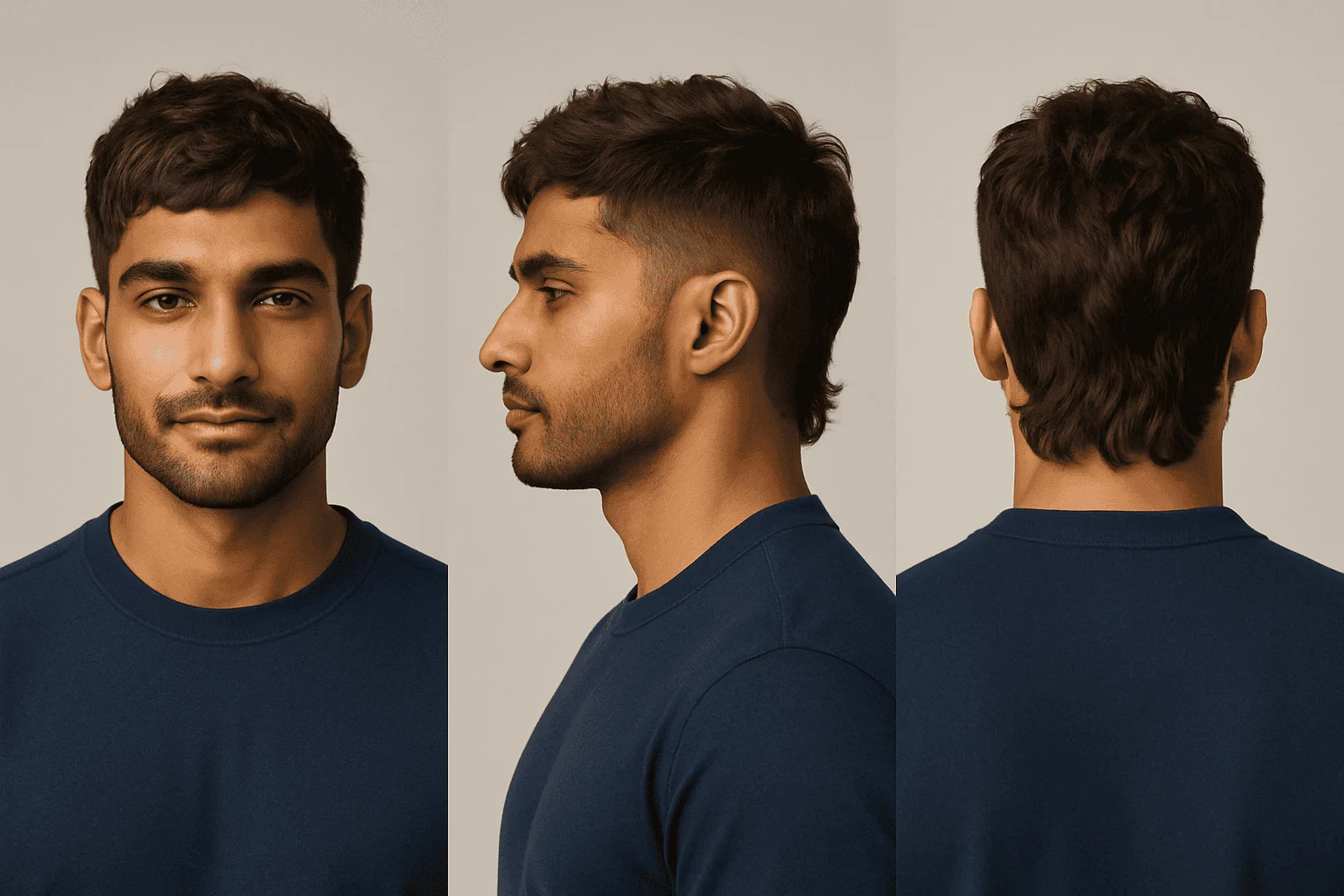
A mullet can suit oval, round, square, heart-shaped, diamond and oblong faces when the haircut is adjusted to the person's features. Oval faces can wear almost any mullet variation, while round faces often benefit from added height and shorter sides. Square faces can look balanced with softer layers, and oblong faces may benefit from controlled back length and more volume at the sides.
The best mullet for your face depends on more than face shape. Hair texture, forehead width, jawline, haircut length and personal style all influence the final result.
What Face Shape Suits a Mullet Best?
An oval face is generally the easiest face shape to style with a mullet because its proportions are relatively balanced. However, a mullet can also suit round, square, heart-shaped, diamond and oblong faces with the right adjustments.
Here is a quick overview:
These are general styling recommendations, not strict rules. A barber can adjust the cut to suit your individual proportions.
1. Does a Mullet Suit an Oval Face?
Highly versatile
Yes. An oval face is one of the easiest face shapes to style with a mullet. Its forehead, cheekbones and jawline generally have balanced proportions, allowing you to experiment with different lengths, fades and textures.
If you have an oval face, you can consider:
- Modern mullet: A balanced combination of shorter sides, textured top and longer back.
- Low taper mullet: Keeps the sides and neckline neat without creating too much contrast.
- Burst fade mullet: Adds a curved fade around the ears while preserving the back length.
- Wolf cut mullet: Uses layers and volume to create a fuller, textured appearance.
- Curly mullet: Enhances natural curls while maintaining the longer back.
Best styling recommendation: Start with a modern mullet or low taper mullet if you want a balanced everyday look. If you prefer something more noticeable, consider a burst fade or layered variation.
An oval face does not need one specific mullet. You can choose based on your hair type and preferred appearance.
2. Is a Mullet Good for a Round Face?
Yes, with the right shape
Yes. A mullet can look good on a round face when the haircut adds height on top and avoids excessive width around the sides.
Round faces usually have fuller cheeks and a softer jawline. A well-shaped mullet can create a more defined appearance by adding vertical movement and keeping the sides relatively short.
Consider these styles:
- Low fade mullet: Keeps the lower sides neat and creates a cleaner outline.
- Burst fade mullet: Adds definition around the ears while retaining length at the back.
- Quiff mullet: Creates height at the front, helping make the face appear longer.
- Textured mullet: Adds movement and volume without making the sides look too wide.
- Modern mullet with shorter sides: Creates a more structured silhouette.
Best styling recommendation: Keep the sides relatively short, add some height at the front or crown, and avoid excessive volume around the cheeks.
A round face does not mean you should avoid a mullet. The key is choosing a shape that balances facial width.
3. Does a Mullet Suit a Square Face?
Yes
Yes. A mullet can suit a square face particularly well because its layers and longer back can complement a strong jawline.
Square faces generally have a wider forehead and a defined, angular jaw. The right mullet can preserve those features while introducing softer movement around the top and sides.
Good options include:
- Curtain mullet: A parted fringe frames the face and creates a softer appearance.
- Layered mullet: Adds movement and reduces the appearance of a rigid haircut shape.
- Wavy mullet: Uses natural waves to soften the overall silhouette.
- Medium-length modern mullet: Keeps enough length at the back to balance the haircut.
- Wolf cut mullet: Adds texture and layers around the crown and back.
Best styling recommendation: Choose medium back length, soft layers and a low or mid fade. Avoid making every section too sharp or geometric if you prefer a softer appearance.
A square face can also work with a more defined burst fade mullet if you prefer a sharper style.
4. What Mullet Suits a Heart-Shaped Face?
A heart-shaped face typically has a wider forehead and a narrower chin. A suitable mullet can help balance these proportions by adding controlled volume and movement around the lower part of the hairstyle.
Consider these options:
- Layered mullet: Creates movement throughout the haircut.
- Flow mullet: Uses natural length and movement to create a softer appearance.
- Medium-length mullet: Maintains enough length at the back without making the overall style too heavy.
- Curtain mullet: Frames the forehead and creates a balanced front section.
Best styling recommendation: Choose a layered or flowing variation with balanced volume. Avoid excessive height at the crown if it makes the forehead appear more prominent.
5. Is a Mullet Good for a Diamond Face?
Yes. A mullet can work well with a diamond face shape when the haircut balances prominent cheekbones with a narrower forehead and jawline.
A diamond face typically has its widest point around the cheekbones. A haircut with controlled volume at the back and sides can help create a more balanced overall appearance.
Consider:
- Layered mullet: Adds movement and a softer outline.
- Flow mullet: Creates natural volume and length.
- Medium-length mullet: Keeps the back proportionate to the rest of the haircut.
- Curtain mullet: Adds framing around the forehead.
Best styling recommendation: Consider a low or mid fade with balanced volume. Avoid excessive height at the crown if it makes the cheekbones appear more prominent.
6. Does a Mullet Suit an Oblong Face?
Yes. An oblong face can suit a mullet, but the haircut should avoid adding too much visual length.
An oblong face is longer than it is wide, often with a relatively narrow appearance. Adding volume at the top and keeping the back extremely long may make the face appear even longer.
Suitable variations include:
- Curtain mullet: Adds framing around the sides of the face.
- Textured fringe mullet: Brings attention to the front and creates a more balanced appearance.
- Wavy mullet: Adds width and movement through the sides.
- Medium-length mullet: Keeps the back length controlled.
Best styling recommendation: Add some volume around the sides, keep the top proportionate and avoid excessive length at the back. A balanced fringe can also help reduce the appearance of facial length.
Which Mullet Is Best for Your Face Shape?
The best mullet depends on the appearance you want to achieve. Use this comparison as a starting point:
How Do You Know If a Mullet Will Suit You?
If you are wondering, "Will I suit a mullet?" consider these factors before choosing a style.
1. Identify Your Face Shape
Look at the proportions of your forehead, cheekbones and jawline. You do not need to fit perfectly into one category. Many people have a combination of facial features.
2. Consider Your Hair Type
Straight, wavy and curly hair can all work with mullets, but the cut needs to account for natural texture.
- Straight hair benefits from careful layering and shaping.
- Wavy hair creates natural movement and volume.
- Curly hair can create a fuller back and textured top.
- Thick hair may need layers to reduce excess bulk.
- Fine hair may benefit from a shorter, textured variation.
3. Choose the Right Back Length
The length at the back changes the overall appearance of a mullet. A short mullet is more subtle, while a longer back creates a more noticeable silhouette.
4. Decide on the Fade or Taper
The sides can be kept natural, tapered or faded.
- Low taper: A subtle and clean finish.
- Low fade: A gradual fade around the lower sides.
- Mid fade: A more noticeable transition.
- Burst fade: A curved fade around the ears.
5. Think About Daily Styling
Some mullets need more styling than others. A textured or layered mullet may need only a small amount of product, while a quiff or pompadour mullet generally needs more attention.
If you are comfortable with some length at the back and regular shaping, a mullet may be worth trying.
Why Does Face Shape Matter When Choosing a Mullet?
Face shape helps you decide where to add volume, how much length to keep and how the sides should be cut.
Balance and proportion: The right haircut can make facial proportions appear more balanced by adjusting volume and length.
Enhancing features: A suitable mullet can draw attention to features such as the jawline, cheekbones and eyes.
Customised styling: The fade, back length, fringe and layers can all be adjusted to create a more suitable appearance.
However, face shape is only one consideration. Hair texture, hairline, personal style and maintenance preferences are equally important.
How to Choose the Right Mullet for Your Face
Before visiting a barber, think about the following:
- Identify your approximate face shape.
- Decide how much length you want at the back.
- Choose between natural sides, a taper or a fade.
- Consider whether you prefer a textured, layered or smooth top.
- Find a reference photo that matches your preferred style.
- Ask your barber to adjust the haircut to your facial proportions and hair type.
You can explore more options in our modern mullet haircut styles for men article.
Mullet vs Fade: Which Is Better for Your Face Shape?
A mullet and a fade are not necessarily separate choices. A mullet describes the overall haircut shape, while a fade describes how the sides transition from short to longer hair.
You can combine a mullet with a low fade, mid fade or burst fade. The best option depends on the amount of contrast you prefer and how you want the sides to frame your face.
Read our comparison of which is better, mullet or fade for more details.
You can also explore which is better, taper or mullet if you are deciding between these two haircut styles.
Can You Pair a Mullet with a Beard?
Yes. A mullet can be paired with a beard to create a more distinctive overall appearance.
The beard can also influence how your face looks. For example, a neatly shaped beard can add definition around the jaw, while a fuller beard can change the balance between the lower face and the hairstyle.
The best combination depends on your face shape, beard growth and preferred style.
FAQs About Mullet Haircuts and Face Shapes
Which face shape suits a mullet best?
Oval faces are generally the most versatile for mullets because their proportions work with many variations. However, round, square, heart-shaped, diamond and oblong faces can also suit a mullet when the length, volume and fade are adjusted.
Does a mullet suit an oval face?
Yes. An oval face can work with almost any mullet variation, including modern, taper, burst fade, wolf cut and curly mullets. The best choice depends on your hair type and preferred appearance.
Is a mullet good for a round face?
Yes. A mullet can suit a round face when it has some height on top and shorter sides. A quiff mullet, low fade mullet or textured mullet can help create a more defined appearance.
Does a mullet suit a square face?
Yes. A square face can look good with a mullet, especially a curtain, layered or wavy variation. Softer layers and medium back length can complement a strong jawline.
Does a mullet suit an oblong face?
Yes. An oblong face can suit a mullet with controlled back length and more volume around the sides. Curtain and textured fringe mullets are worth considering.
What is the best mullet for an oval face?
A modern mullet or low taper mullet is a versatile starting point for an oval face. You can also choose a burst fade, wolf cut or curly mullet depending on your hair texture.
What is the best mullet for a round face?
A quiff mullet or low fade mullet can be a good choice for a round face. Adding height on top and keeping the sides shorter can create a more balanced appearance.
Will I suit a mullet?
You may suit a mullet regardless of your face shape. The important factors are choosing a suitable back length, fade, fringe and amount of volume. A barber can help customise the cut to your features.
Is a mullet good for a thin face?
Yes. A mullet can work with a thin or narrow face. Styles with balanced volume around the sides and controlled length at the back may create a fuller-looking appearance.
Can anyone pull off a mullet?
Many people can wear a mullet because it is highly customisable. The haircut can be adjusted for different face shapes, hair types, lengths and personal styles.
What mullet style suits most people?
A modern mullet with a balanced top, natural back length and subtle taper is a versatile option. It can be adjusted to suit different facial proportions and hair textures.
Find the Right Mullet at Brothers Barber
Choosing a mullet is about finding the right balance between your face shape, hair texture and personal style. An oval face offers plenty of flexibility, while round, square, diamond, heart-shaped and oblong faces may benefit from specific adjustments to the top, sides or back.
At Brothers Barber, our barbers can help you choose a mullet that works with your features and preferred look. Bring a reference photo and discuss the length, layers and fade you want.
Book your haircut at Brothers Barber.