Compare low fade vs taper fade, including the differences in blending, appearance and maintenance. Find out which haircut suits your style.
Low Fade vs Taper Fade: What's the Difference and Which Is Better?
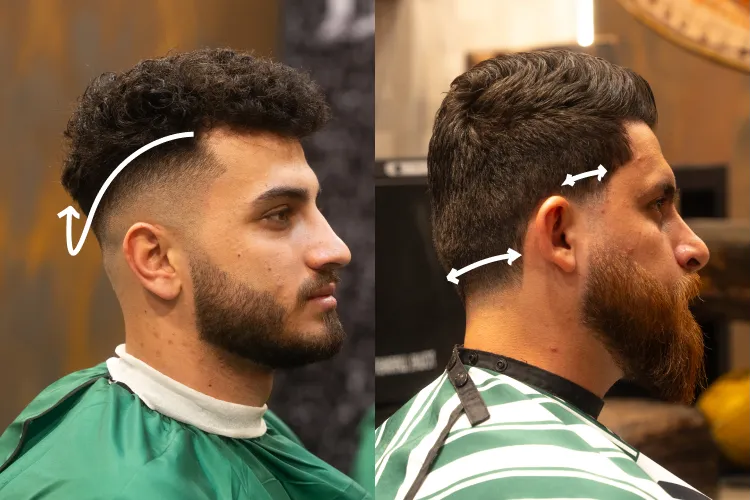
A low fade and a taper fade both create clean, blended sides, but they differ in where the hair is shortened and how noticeable the transition looks. A low fade blends the lower sides and back, creating a more defined finish. A taper fade focuses mainly on the sideburns and neckline, leaving more hair around the sides for a natural appearance.
Neither haircut is universally better. The right choice depends on how much contrast you prefer, your hair type, personal style and how often you want to visit your barber.
What Is a Low Fade?
A low fade is a haircut where the hair gradually gets shorter from the lower sides towards the ears and neckline. The blending usually starts just above the ears and continues around the back of the head.
A low fade creates a clean transition while keeping more length on the upper sides than a mid or high fade. Depending on your preference, the hair can be blended down to very short stubble or bare skin.
A low fade is a good choice if you want:
- Clean and defined sides.
- A modern haircut with noticeable blending.
- A style that works with short, medium or longer hair on top.
- A neat appearance without the strong contrast of a high fade.
For hairstyle inspiration, explore our collection of 45+ low fade haircuts for men in 2026.
What Is a Taper Fade?
A taper fade gradually shortens the hair around the sideburns and neckline while leaving most of the sides and back longer.
Unlike a traditional low fade, which blends across a larger section of the lower sides, a taper fade concentrates the transition around specific areas. This creates a softer, more natural finish.
A taper fade works well with classic and modern hairstyles, including side parts, textured tops, curly hair and slick backs.
A taper fade is a good choice if you want:
- A subtle and natural-looking haircut.
- Clean sideburns and neckline.
- More length around the sides.
- A style that grows out without a very noticeable change.
Low Fade vs Taper Fade: Key Differences
The main difference between a low fade and a taper fade is the area where the hair gradually gets shorter.
Maintenance schedules are approximate. Hair growth, fade length and personal preferences affect how often you need a trim.
Low Fade vs Low Taper Fade: What's the Difference?
A low fade and a low taper fade both keep the blending close to the ears, but they do not create exactly the same result.
A low fade blends the hair across a wider section of the lower sides and back. A low taper fade focuses on gradually shortening the hair around the temples and neckline while keeping more of the sides untouched.
If you want the sides to look noticeably shorter, choose a low fade. If you prefer a natural finish with more hair left around the sides, a low taper fade may suit you better.
Low Taper vs Taper Fade: Are They the Same?
The terms low taper and taper fade are closely related, but they describe slightly different aspects of a haircut.
A low taper describes the placement of the tapering around the lower temples and neckline. A taper fade describes the gradual blending technique used to shorten the hair in those areas.
In everyday barber conversations, people sometimes use these terms interchangeably. The exact result depends on how much hair is removed and how short the barber takes the edges.
If you want a very subtle result, ask for a low taper with a natural finish. If you want a sharper transition around the temples and neckline, request a low taper fade.
Which One Is Better for You?
The best haircut depends on your preferred appearance, daily routine and the amount of contrast you want.
Choose a Low Fade If:
- You prefer a modern and defined haircut.
- You want the lower sides and back noticeably shorter.
- You like styles such as textured crops, quiffs or pompadours.
- You want a clean transition without choosing a high fade.
- You are comfortable getting regular touch-ups.
Choose a Taper Fade If:
- You prefer a natural and classic appearance.
- You want to keep more hair around the sides.
- You like side parts, slick backs or textured hairstyles.
- You want clean edges without a noticeable fade across the sides.
- You prefer a haircut that can grow out more gradually.
Which Haircut Suits Different Hair Types?
Both haircuts can work with different hair textures. The styling choice and the amount of length you keep on top make a difference.
Straight Hair
A low fade works well with a comb over, side part or textured crop. A taper fade is a good option for a classic side part or slick back.
Wavy Hair
A low fade can create a clean contrast with natural waves on top. A taper fade keeps the sides fuller and gives the haircut a softer appearance.
Curly Hair
Both options work well with curls. A low fade gives a more defined shape, while a low taper fade keeps more natural length around the sides and neckline.
Coily and Afro-Textured Hair
A low fade can be paired with an afro, waves, twists or a short textured top. A taper fade is useful if you want to keep more hair while cleaning up the edges.
Thin or Fine Hair
A low fade can make the sides look neater while leaving enough length on top for texture. A taper fade is another option if you prefer to preserve more hair around the sides.
Low Fade vs Taper Fade: Which Is More Professional?
Both styles can look professional when the haircut is clean and well maintained.
A taper fade often creates a more traditional appearance because it keeps more natural length around the sides. It is a good choice if you prefer understated grooming.
A low fade can also be suitable for professional settings. Its lower starting point creates a balanced appearance without the stronger contrast of a high fade.
The top hairstyle matters too. A neat side part, short textured top or well-styled slick back can make either haircut look polished.
Which Haircut Requires More Maintenance?
A low fade often needs more frequent touch-ups because the shorter sections and blending across the sides become more noticeable as the hair grows.
A taper fade can grow out more naturally because the blending is concentrated around the temples and neckline.
As a general guideline:
- Low fade: Consider a trim every 2–3 weeks.
- Taper fade: Consider a trim every 3–4 weeks.
You may need more frequent appointments if you prefer very sharp edges or have a skin-level finish.
Can You Combine a Low Fade and a Taper?
Yes. A barber can combine elements of both techniques to create a customised haircut.
For example, you can have a low fade across the sides with a tapered neckline for a cleaner finish at the back. You can also request a low taper around the temples while keeping the rest of the sides relatively full.
The important thing is to explain how much blending you want and where you want it to start.
How to Ask Your Barber for the Right Haircut
If you are unsure which style to choose, explain your preferences instead of relying only on the haircut's name.
- Describe the finish: Tell your barber whether you prefer a noticeable fade or a softer taper.
- Choose the blending area: Explain whether you want the lower sides blended or only the temples and neckline.
- Mention the length: Specify how much hair you want to keep on top and around the sides.
- Discuss maintenance: Let your barber know how often you can visit for a trim.
- Show a reference photo: A picture can help communicate the exact finish you want.
At Brothers Barber, the barber can recommend a suitable option based on your hair texture, face shape and preferred style.
Frequently Asked Questions
Is a low fade better than a taper fade?
A low fade is better if you want more noticeable blending across the lower sides. A taper fade is better if you prefer a softer finish around the temples and neckline. The right choice depends on your style preference.
What is the difference between a low fade and a low taper fade?
A low fade blends a wider section of the lower sides and back. A low taper fade focuses on the temples and neckline, leaving more length around the sides.
Is a taper fade more professional than a low fade?
A taper fade often looks more traditional and understated, but both haircuts can look professional. The overall finish and styling are just as important as the type of fade.
Does a low fade last longer than a taper fade?
Not necessarily. A low fade may need more frequent touch-ups to keep its blend sharp. A taper fade can often grow out more naturally between appointments.
Can I combine a taper and a low fade?
Yes. A barber can use a low fade on the sides and a taper around the neckline to create a customised finish.
Which haircut looks more modern?
Both are popular modern men's haircuts. A low fade creates a more defined appearance, while a taper fade offers a softer and more natural style.
Which haircut suits all face shapes?
Both can be adapted to different face shapes. The top length, side volume and overall proportions should be adjusted to suit your features.
Is a low taper the same as a low taper fade?
The terms are often used interchangeably. A low taper describes where the hair is shortened, while a low taper fade emphasises the gradual blending around the temples and neckline.
Which is easier to maintain: low fade or taper fade?
A taper fade is often easier to grow out because it leaves more hair around the sides. A low fade may need more regular touch-ups to keep the blend looking sharp.
Get Your Next Haircut at Brothers Barber
A low fade and a taper fade can both give you a clean, modern haircut. The difference comes down to how much hair you want removed from the sides and how noticeable you want the blending to be.
Choose a low fade for a more defined finish or a taper fade for a softer, more natural appearance. If you are unsure, a professional barber can help you select the right style.
Visit Brothers Barber or book your appointment online.