Learn what a low fade haircut is, where it starts, its different types and how to maintain it. Explore low skin, drop and shadow fade styles.
What Is a Low Fade Haircut? Definition, Types and Styling Guide
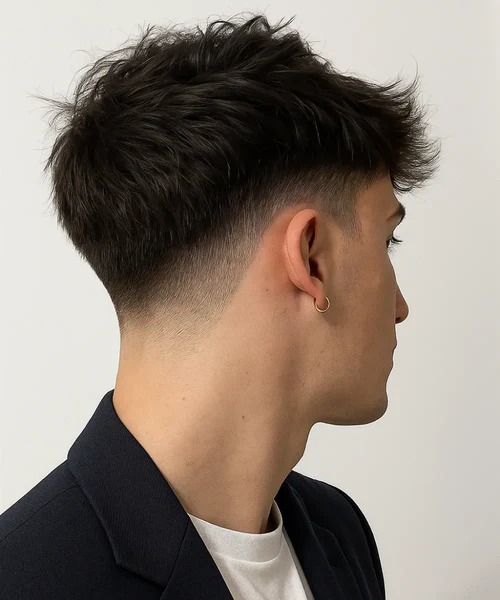
A low fade haircut is a men's hairstyle where the hair gradually gets shorter from the sides towards the ears and neckline. The fade begins low on the head, just above the ears, creating a clean and subtle transition without removing too much hair from the sides.
The low fade is one of the most popular men's haircuts because it combines a modern appearance with a natural finish. It works with many hairstyles, including short crops, textured tops, quiffs and curly hair. You can also choose how close the fade goes to the skin, depending on the look you prefer.
This guide explains what a low fade haircut is, how it is cut, the different variations available and how to choose the right style.
What Is a Low Fade Haircut?
A low fade is a haircut in which the blending starts close to the ears and follows the natural curve of the head towards the neckline. The hair gradually transitions from longer lengths on top to shorter lengths near the bottom.
Unlike a mid fade or high fade, a low fade keeps most of the sides fuller. This creates a more understated appearance that can work in both professional and casual settings.
The bottom of the fade can be cut very short or blended down to bare skin. The starting point remains low, regardless of how short the hair becomes.
Key Features of a Low Fade
A low fade haircut has several recognisable features:
- Low starting point: The fade begins just above the ears rather than high on the sides.
- Gradual blending: Hair transitions smoothly from longer to shorter lengths.
- Natural appearance: It creates less contrast than a high fade.
- Clean edges: The area around the ears and neckline looks neat.
- Flexible top length: You can combine it with short, medium or long hair on top.
- Different finishes: It can be a skin fade, shadow fade or another variation depending on the desired result.
For visual inspiration, explore our collection of 45+ low fade haircuts for men in 2026.
How Is a Low Fade Haircut Different from Other Fades?
The main difference between low, mid and high fades is where the blending begins. A low fade starts close to the ears, a mid fade begins around the middle of the sides, and a high fade starts higher towards the temples.
A low fade keeps more hair around the upper sides than a high fade. This makes it a good option if you want a clean haircut without a dramatic change in length.
If you are unsure which option to choose, read our comparison of low fade vs taper fade.
Types of Low Fade Haircuts
A low fade can be customised in several ways. The main variations depend on how short the hair becomes at the bottom and how the fade is shaped.
1. Low Skin Fade
A low skin fade blends the hair down to bare skin near the ears and neckline. It creates a sharper contrast while keeping the fade's starting point low.
This option works well with short crops, textured hairstyles and curly tops. It usually needs more frequent touch-ups because the contrast becomes visible as the hair grows.
2. Low Taper Fade
A low taper fade gradually shortens the hair around the temples and neckline while leaving more length around the sides and back.
Although people sometimes use the terms interchangeably, a low taper and a low fade are not exactly the same. A traditional low fade generally blends across a larger section of the sides, while a taper focuses mainly on the edges.
3. Low Drop Fade
A low drop fade follows the natural curve of the head and drops lower behind the ears. This creates a rounded shape at the back.
It can add definition to the haircut and works with styles such as textured crops, curly tops and modern mullets.
4. Low Shadow Fade
A low shadow fade creates a soft transition without taking the hair completely down to the skin. The shortest section remains very short, but some hair is visible at the bottom.
It is a suitable option if you prefer a more natural finish with less contrast.
5. Very Low Fade
A very low fade starts particularly close to the ears and neckline. It keeps more of the sides untouched and creates a subtle change in length.
This is a good choice if you want a low fade haircut that looks neat without making the sides appear too short.
How Is a Low Fade Haircut Cut?
A barber creates a low fade by gradually changing clipper lengths and blending the different sections of hair. The exact technique depends on the client's hair type, head shape and preferred finish.
Here is a simplified explanation of the process:
- Choose the starting point: The barber identifies a low blending line just above the ears.
- Set the initial length: The lower section is trimmed using the appropriate clipper guard or trimmer.
- Create the fade: Different clipper lengths are used to gradually blend the shorter hair into the longer hair above.
- Remove visible lines: The barber uses clipper-over-comb or detail work to soften any harsh transitions.
- Shape the neckline and edges: The area around the ears and neckline is cleaned up.
- Finish the top: The hair on top is trimmed or styled according to the requested look.
The goal is a smooth transition without obvious lines or uneven patches. A professional barber adjusts the blend to suit the individual rather than following exactly the same pattern for every haircut.
Why Are Low Fade Haircuts So Popular?
1. Versatile Styling Options
A low fade can be paired with many hairstyles. You can keep the top short and simple or leave more length for styling.
Popular combinations include:
- Low fade with a textured crop
- Low fade with a quiff
- Low fade with a pompadour
- Low fade with a side part
- Low fade with curly hair
- Low fade with a slick back
- Low fade with a buzz cut
2. A Clean but Natural Appearance
Because the fade starts low, it does not remove as much hair from the sides as a high fade. The result is a neat appearance without an overly dramatic contrast.
3. Works with Different Hair Types
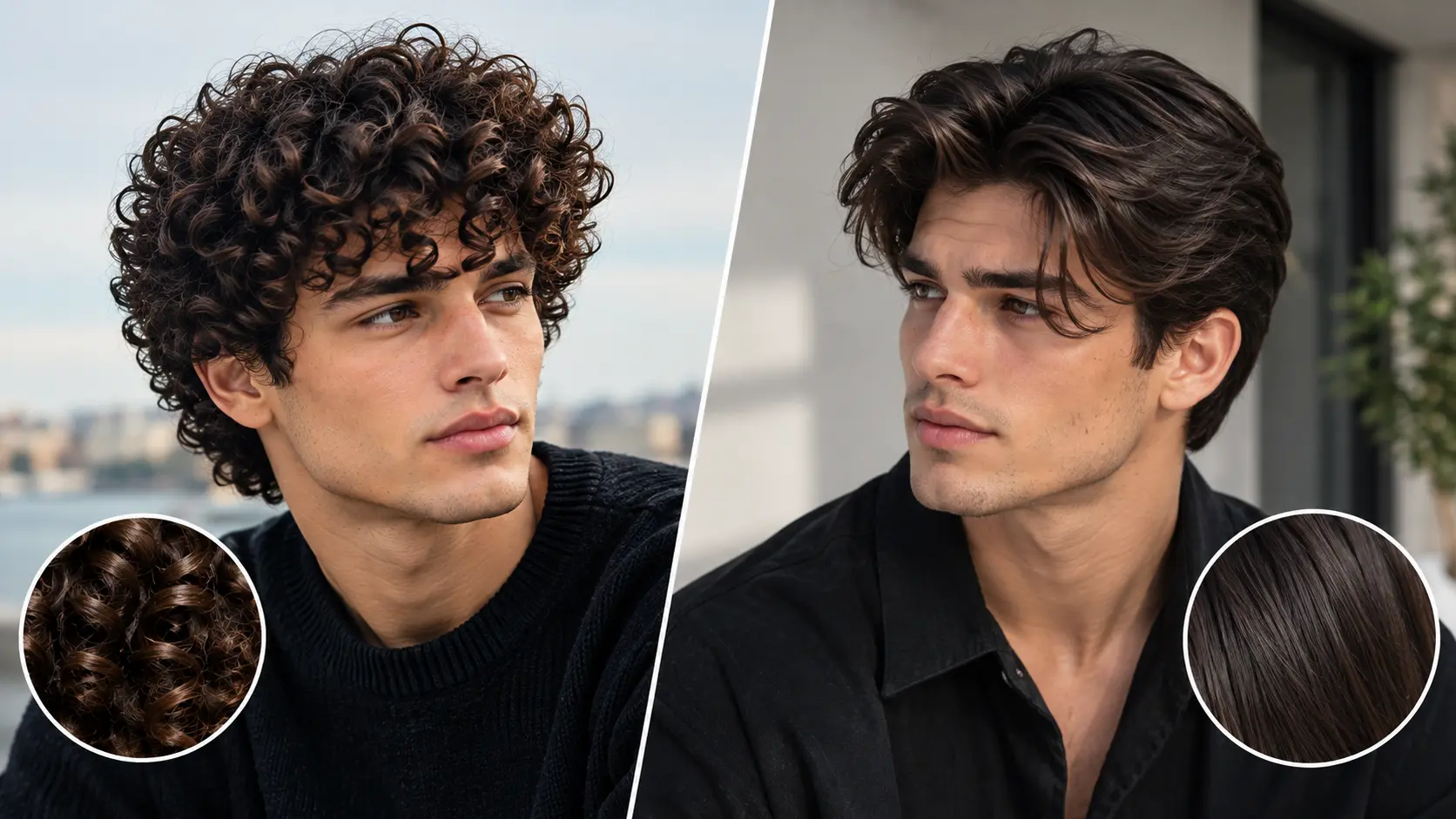
Low fades can be adapted to straight, wavy, curly and coily hair. The best style depends on how your hair naturally grows and how much length you want to keep on top.
4. Suitable for Different Settings
A low fade can look professional when paired with a neat side part or short textured top. It can also look more relaxed with curls, a fringe or a messy hairstyle.
Who Should Get a Low Fade?
A low fade may be a good choice if you:
- Want a modern haircut without a very high or dramatic fade.
- Prefer to keep more hair on the sides.
- Like clean edges around the ears and neckline.
- Want a haircut that works with different top styles.
- Need a hairstyle that can be adapted for professional and casual settings.
- Are comfortable visiting a barber regularly to maintain the blend.
Is a Low Fade Good for Every Face Shape?
A low fade can suit many face shapes, but the best result depends on the proportions of the haircut.
- Round face: Keeping some height and texture on top can make the face appear longer.
- Square face: A textured top or neat side part can complement a defined jawline.
- Oval face: Most low fade variations can work well with this balanced face shape.
- Long face: Avoid excessive height on top if you want to maintain balanced proportions.
Your barber can adjust the top length, side volume and fade placement to create a more balanced result.
How to Ask Your Barber for a Low Fade
To get the low fade haircut you want, explain the starting point, bottom length and top style clearly.
Follow these steps:
- Ask for a low fade, making it clear that you want the blending to start just above the ears.
- Specify whether you want a skin fade, shadow fade or a softer finish.
- Tell your barber how much length you want to keep on top.
- Explain whether you prefer a natural or sharper finish around the neckline.
- Show a reference picture to make your preferred style easier to understand.
At Brothers Barber, the barber can adjust the fade according to your hair type, face shape and preferred style.
How to Maintain a Low Fade Haircut
A low fade usually needs a touch-up every two to three weeks to keep the sides and neckline looking neat. The exact timing depends on how quickly your hair grows and how sharp you want the fade to look.
Here are some simple maintenance tips:
- Wash your hair regularly with a suitable shampoo.
- Use a styling product that matches your hair type.
- Keep the neckline and area around the ears tidy.
- Avoid trimming the faded sections yourself if you are not experienced with clippers.
- Book regular barber appointments to maintain the blend.
A low skin fade may need more frequent visits because regrowth is easier to notice when the hair is cut down to the skin.
Frequently Asked Questions About Low Fade Haircuts
What does a low fade haircut mean?
A low fade haircut means the hair gradually becomes shorter from the sides towards the ears and neckline. The blending starts low on the head, just above the ears, rather than around the middle or upper sides.
How low does a low fade start?
A low fade usually starts just above the ears and follows the natural curve of the head. The exact starting point can vary depending on head shape and the barber's technique.
Is a low fade the same as a low taper?
No. A low fade generally blends a larger section of the sides, while a low taper focuses mainly on the hair around the temples and neckline. Both create a subtle, clean finish, but the result is different.
Is a low fade professional?
Yes. A low fade can be a professional-looking haircut, especially when paired with a neat top style and clean edges. Its subtle blending makes it suitable for many workplace settings.
How long does a low fade haircut last?
A low fade generally looks fresh for around two to three weeks. Hair growth, the type of fade and your preferred level of sharpness determine when you need a touch-up.
Can I get a low fade with curly hair?
Yes. A low fade works well with curly hair because it keeps the sides neat while allowing you to maintain volume and texture on top. You can pair it with a short curly top, curly fringe or longer curls.
Is a low fade good for all face shapes?
A low fade can be adapted to most face shapes. However, the length and volume on top should be adjusted to complement your facial proportions.
Is a low skin fade different from a regular low fade?
Yes. A low skin fade blends the hair down to bare skin at the bottom. A regular low fade may leave some short hair rather than exposing the skin.
What is the difference between a low fade and a high fade?
A low fade starts just above the ears, while a high fade starts much higher on the sides, closer to the temples. A low fade looks more subtle, whereas a high fade creates stronger contrast.
What haircut goes best with a low fade?
Popular options include a textured crop, quiff, side part, curly top, buzz cut and slick back. The best combination depends on your hair type and the amount of length you want to keep.
Get a Clean Low Fade at Brothers Barber
A low fade is a versatile haircut that combines clean sides with a natural transition. Whether you prefer a low skin fade, a softer shadow fade or a low drop fade, the right blend can make a noticeable difference to your overall appearance.
Visit Brothers Barber for a haircut tailored to your hair type and preferred style. You can book your appointment online or visit a nearby branch.