Compare low, mid, high, skin, taper and burst fades to find the most attractive style for your face shape, hair type, and grooming routine.
Which Fade Is Most Attractive?
Discover which fade haircut ismost attractive. Compare low, mid, and high fades to find the best style foryour face shape, hair type, and lifestyle.
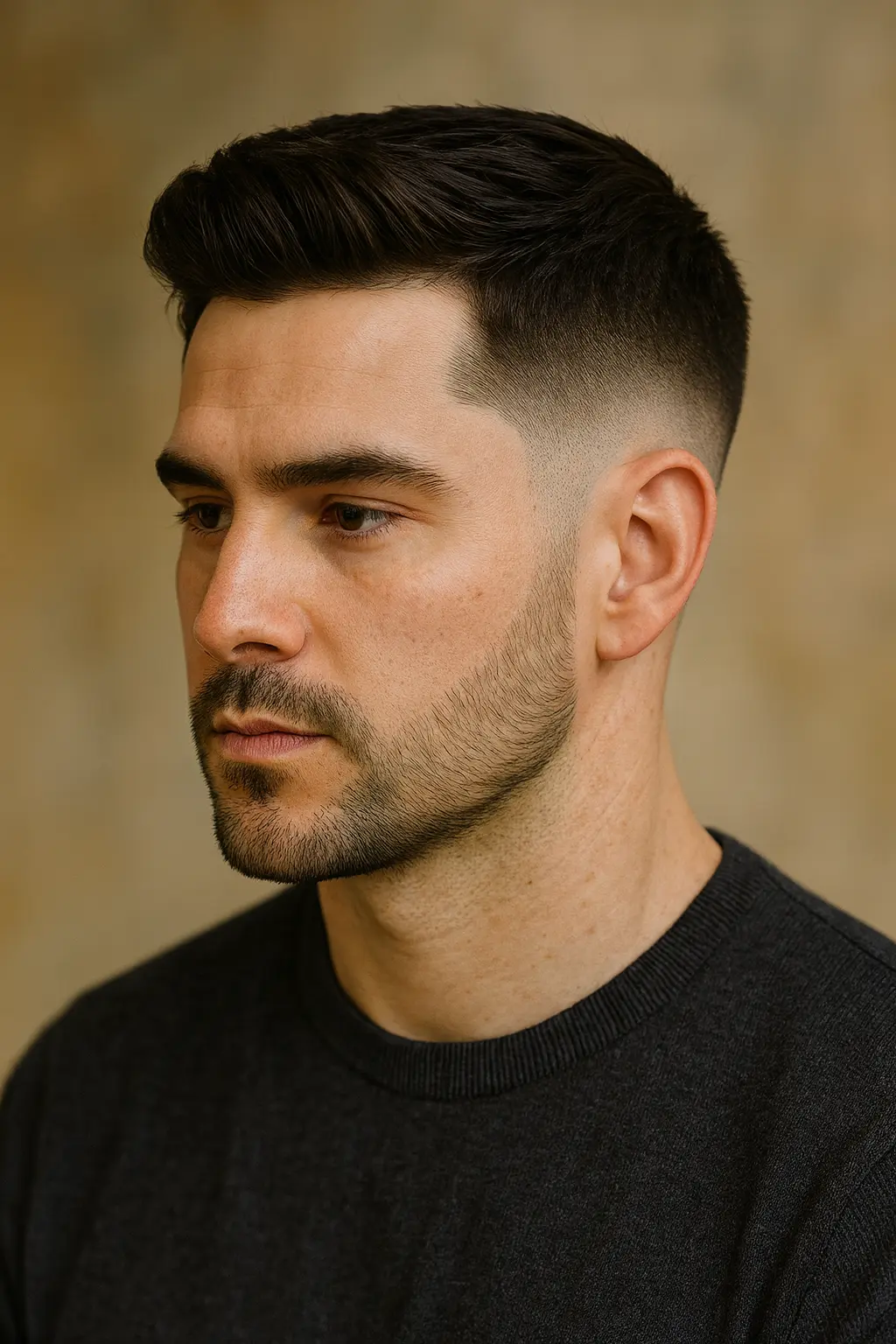
The most attractive fade dependson your face shape, hair type, and personal style. However, the low fade iswidely considered the most attractive because it looks clean, natural, andsuits most men.
Fade haircuts are one of themost popular choices for men, but many wonder which fade looks the best. Fromlow to high fades, each creates a different level of contrast and style. Thisguide explains which fade is most attractive and how to choose the right onefor your look.
What Makes a Fade Attractive?
An attractive fade createsbalance between the top and sides while enhancing your facial features. Thebest fades look clean, well-blended, and suited to your face shape andlifestyle.
Types of Fades and Their Appeal
Low Fade
● Natural and subtle transition
● Clean and professional look
● Works for most face shapes and hair types
Explore style ideas in Best Low Fade Haircuts for Men in 2026.
Mid Fade
● Balanced contrast
● Modern but not too bold
● Good for casual and professional settings
High Fade
● Sharp and dramatic contrast
● Trendy and bold appearance
● Best for edgy or fashion-forward styles
To understand the basics, read What Is a Low Fade Haircut?
Types of Fades Explained
Beyond low, mid, and high,barbers use several more specific terms — worth knowing before your nextappointment:
● Skin fade — the sides are taken all the way down tobare skin at their shortest point, for maximum contrast at whatever height itstarts
● Taper fade — hair shortens gradually without everreaching the skin, for a softer transition
● Burst fade — the fade curves around the ear in asemicircle rather than running in a straight line
● Drop fade — follows the curve of the head behind theear, dropping lower at the back than the front
● Temple (temp) fade — the fade is concentratedspecifically around the temples and hairline
● Shadow fade — a very soft, barely-there fade thatblends without much contrast, popular for subtle styles
● Zero fade / bald fade — sides are shaved to zero guard,the most extreme version of a skin fade
● Undercut fade — the top is fully disconnected from thesides rather than blended gradually
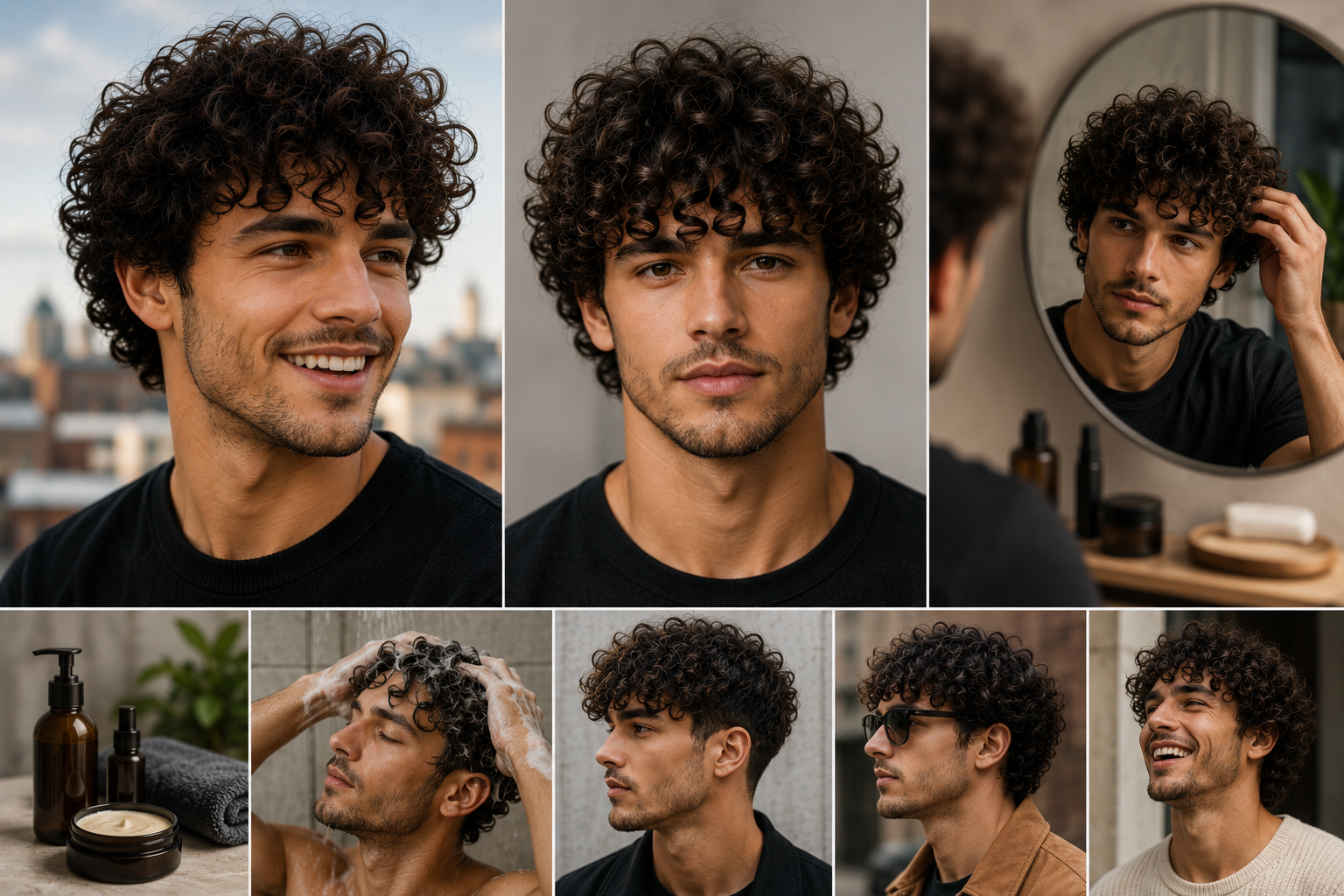
● Blowout fade — a fuller, rounder shape on top pairedwith a fade, popular in curly and afro styles
The burst fade also shows upfrequently as part of a burst fade mullet — see our guide to modern mullet haircuts for the full pairing.
Fade vs Fade: Quick Comparisons
If you're torn between twospecific options, here's how the most-asked comparisons break down:
Which Fade Is Most Attractive? (Step-by-Step)
1. Consider your face shape
● Round face: mid or high fade adds structure
● Square face: low or mid fade works best
● Oval face: all fade types suit well
2. Think about your lifestyle
● Professional setting: low fade
● Trend-focused style: mid or high fade
3. Check maintenance level
● Low fade: moderate maintenance
● High fade: frequent touch-ups
If you're deciding betweensubtle styles, see What's Better, Low Fade or Taper Fade?
Why Low Fade Is Often the Most Attractive
Balanced and Natural
It enhances your featureswithout looking too extreme.
Professional and Stylish
Suitable for work, events, andeveryday life.
Universally Flattering
Works for straight, wavy, curly,thick, or thin hair.
Learn more in Is a Low Fade Attractive?
Fades for Afro and Textured Hair
Fades work just as well on afroand coily textures as they do on straight or wavy hair — the key is choosingwhere the fade starts relative to how much volume you want on top. A blowoutfade pairs a rounder, fuller top with a clean fade on the sides, lettingnatural volume take center stage. A burst fade or taper fade on afro hair givesmore defined edges around the ear and hairline without flattening the textureon top. Ask your barber to blend carefully into natural curl patterns ratherthan cutting straight through them.
Who Should Choose Each Fade?
● Low fade: Professional, clean, versatile look
● Mid fade: Modern and balanced style
● High fade: Bold, sharp, and trendy appearance
At Brothers Parturi, the rightfade is chosen based on your face shape, hair type, and styling routine — andif you're pairing your fade with more length on top, our guide to medium length hairstyles for men coversstyling options.
FAQs (People Also Ask)
Is a low fade more attractivethan a high fade?
For most men, yes. It looks morenatural and professional.
Which fade suits all faceshapes?
Low fade is the most universallyflattering option.
Which fade is best for work?
Low fade or taper fade.
Which fade is most modern?
Mid and high fades offer atrend-focused look.
How often should I maintain afade?
Every 2–3 weeks for low and midfades, and every 1–2 weeks for high fades.
What are the different typesof fades?
Beyond low, mid, and high,common variations include skin, taper, burst, drop, temple, shadow, zero/bald,undercut, and blowout fades — each named for where it starts or how it'sblended.
Which fade works best for afroor curly hair?
A blowout fade or burst fadetends to work best, since both preserve volume and texture on top while stillgiving clean, defined edges on the sides.